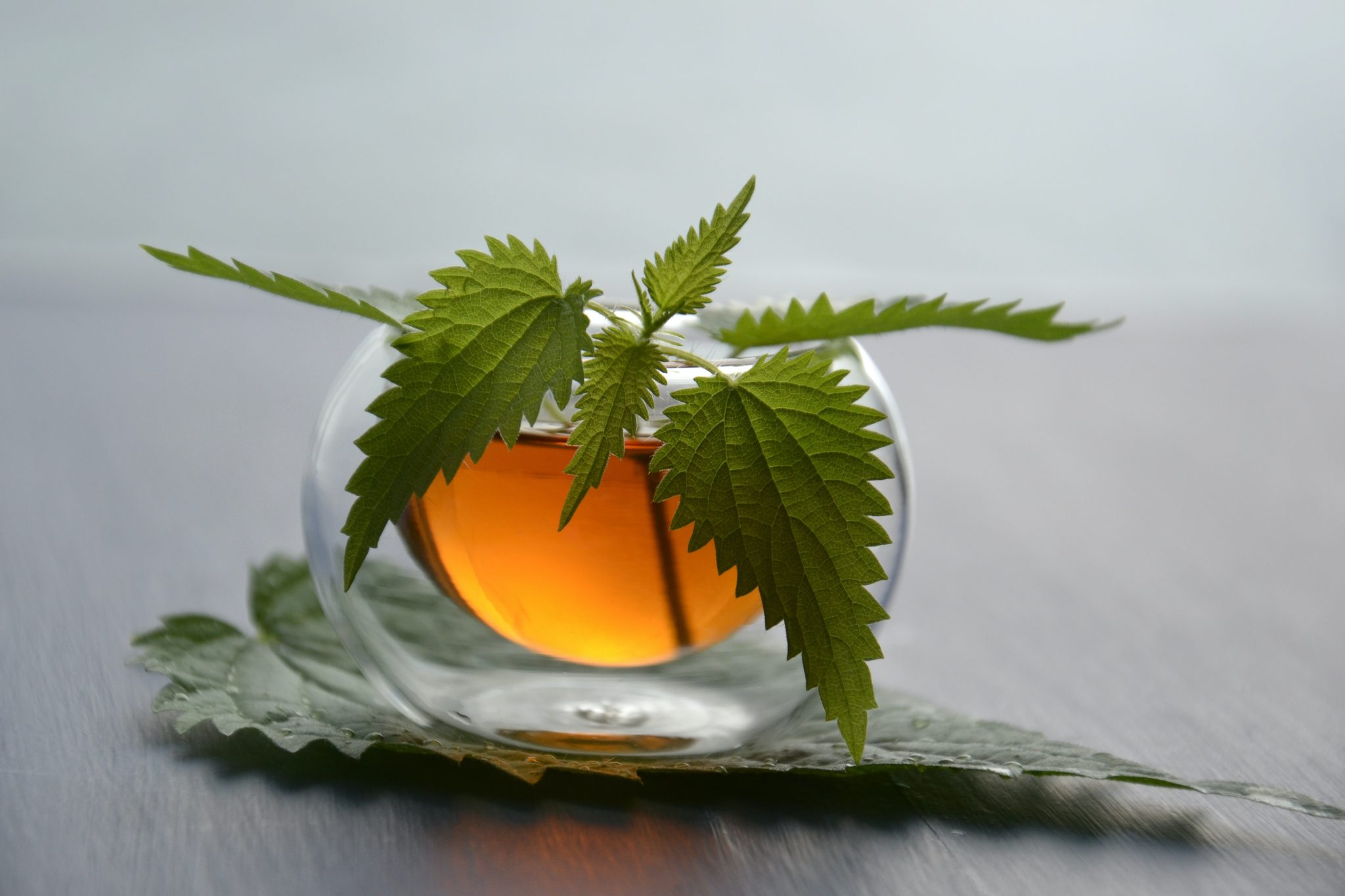
It has already been featured in our articles, and we’re putting it in the spotlight once again: the stinging nettle. Upon hearing the name, most people think of a rampant weed with serrated leaves full of stinging hairs that cause an itchy rash. A plant to steer clear of, we might think, but this plant stimulates much more than just the skin. In fact, the stinging nettle has been used for centuries as a medicinal herb and offers a range of health benefits.
Urtica dioica: packed with nutrients
The stinging nettle (Urtica dioica) is found in temperate regions and is one of the most common plant species in the Netherlands. It grows in soil rich in nutrients, particularly nitrogen. The small stinging nettle, which is even more prickly than its larger counterpart, is less common but has the same healing properties. People have been aware of these properties for centuries. Even the ancient Greeks knew that stinging nettle could help with various ailments, and the Romans and Egyptians also valued the plant. And with good reason, as stinging nettle is a proven source of nutrients. It contains, amongst other things:
– Vitamins: A, B, C and K –
Minerals: calcium, magnesium, zinc, iron, selenium,
silicon – Fats: linoleic acid,
oleic acid – All essential amino acids
The ultimate
detox herb: stinging nettle is highly versatile, as the leaves, roots and seeds can all be used for a wide range of health purposes. The best-known benefit: stinging nettle is very effective for detoxification. It is one of the first plants of spring that you can pick fresh. And with good reason, because after a dark, cold winter, our bodies are in need of some extra vitamins and minerals. Thanks to its blood-purifying and diuretic properties, stinging nettle helps us eliminate waste products via the kidneys, making it a good choice for a detox programme or for urinary problems. The roots are said to have a positive effect on the prostate. Our digestion also benefits from stinging nettle. It aids the production of digestive enzymes, thereby promoting digestion. It can reduce the symptoms of irritable bowel syndrome thanks to its anti-inflammatory properties. And that’s not all. Thanks to its high concentration of vitamin C, stinging nettle can also help to strengthen the immune system and reduce inflammation. It is also rich in antioxidants, which can help protect the body against free radicals and reduce the risk of disease. Finally, stinging nettle is rich in silicon, calcium and zinc, and can also help to improve skin, hair and joint problems.
How can you use
stinging nettle? There are various ways to experience the benefits of stinging nettle. You can simply brew it as a tea, prepare it like spinach, or use it as a dietary supplement. This includes capsules and tablets, but stinging nettle can also be used as an extract or tincture and is suitable for cosmetic purposes. At DuSart Pharma, we mainly use stinging nettle as an extract, concentrated 5 and 10 times.
Stinging nettle is therefore a versatile powerhouse with a multitude of beneficial health effects. Consuming dried or cooked stinging nettle is generally safe. Like any natural remedy, it may cause side effects and interact with medicines such as diuretics, blood thinners and blood pressure medication.