
A synonym for immunity is ‘invulnerable’. ‘Invulnerable’ is a term not often used in the context of health, yet it does capture the essence. If your immunity to a pathogen is strong, you are invulnerable to that disease.
How your body protects you from falling
ill The body has an ingenious system for protecting itself against pathogens such as bacteria, viruses, fungi and parasites.
First and foremost, the body has all sorts of filter systems to prevent germs from entering. The skin, with its layer of oil and sweat; our nose, with its cilia; the stomach, with its gastric acid; and our eyes, with their tears and eyelashes. All our body orifices that come into contact with the outside world are lined with a layer of mucous membranes that secrete mucus; this not only flushes out germs but also contains enzymes that combat micro-organisms. All skin surfaces and the ear are protected by a layer of oil that prevents penetration.
If a pathogen does manage to penetrate this defence, our lymphatic system springs into action: a system that, alongside the network of blood vessels, is distributed throughout our body. It ensures the removal of waste products, such as excess cells and pathogens. It filters the body by purifying lymph fluid and returning it to the bloodstream. Lymph nodes contain many white blood cells that can destroy micro-organisms. If micro-organisms have penetrated the body, an infection has occurred. This often causes swelling in the lymph nodes (better known as lymph glands) as they work hard to combat the infection. The body then raises its temperature (fever) to destroy the pathogens.
Furthermore, the body is designed to respond ever more quickly to pathogens thanks to T-cells or memory cells, which ensure that the body can react swiftly and effectively to repeated exposure to a particular pathogen. This is what we call immunity.
Immunity
. Immunity can be acquired in various ways. The most important is by contracting the disease or coming into contact with it. For example, babies receive antibodies via the womb and breast milk. In addition, vaccinations (the injection of dead or weakened pathogens) can be used for certain unmutated viruses. The aim of this is to stimulate the body to produce specific T-cells to combat pathogens, so that the body can respond quickly and effectively if it comes into contact with the same pathogens again.
Yet not everyone falls ill when a flu virus is circulating, or even now during the COVID-19 crisis. This means the immune system is functioning optimally and the body’s initial defence mechanism is working well.
What helps to maintain a healthy immune system?
It is important to get enough rest, eat a healthy diet with plenty of fruit and vegetables, and drink enough water. During times of stress, it is important to make time for relaxation. Exercise or sport are good ways to do this, but it could also be another hobby that you feel gives you energy.
In addition, certain vitamins and minerals play a role in boosting immunity. Due to overproduction, our food has become rather depleted, and obtaining the necessary vitamins and minerals can be quite a challenge. As a result, deficiencies can develop unnoticed, even with a healthy diet. Vitamins that help boost immunity include vitamin C, vitamin D, vitamin B11 (folic acid) and vitamin B12. Examples of minerals include iron, copper, zinc and selenium. Globally, selenium deficiency appears to be rising significantly due to a decline in its concentration in vegetables.
Vitamin D
. In recent weeks, there has been a great deal of media attention on vitamin D and the fight against COVID-19. It was already known that vitamin D plays a role in strengthening the immune system, but now more and more studies are emerging which show that a vitamin D deficiency can lead to more severe symptoms in the event of a COVID-19 infection.
When the month contains the letter ‘R’ and the sun is less frequent and less intense, it is advisable to take vitamin D, as the skin produces far less of it. People with darker skin produce less vitamin D and must therefore be particularly mindful of ensuring they get enough. People who are overweight also need a higher amount, as it is a fat-soluble vitamin and is therefore stored in fatty tissue. The high presence of fat also increases the body’s requirement.
Herbs and plants
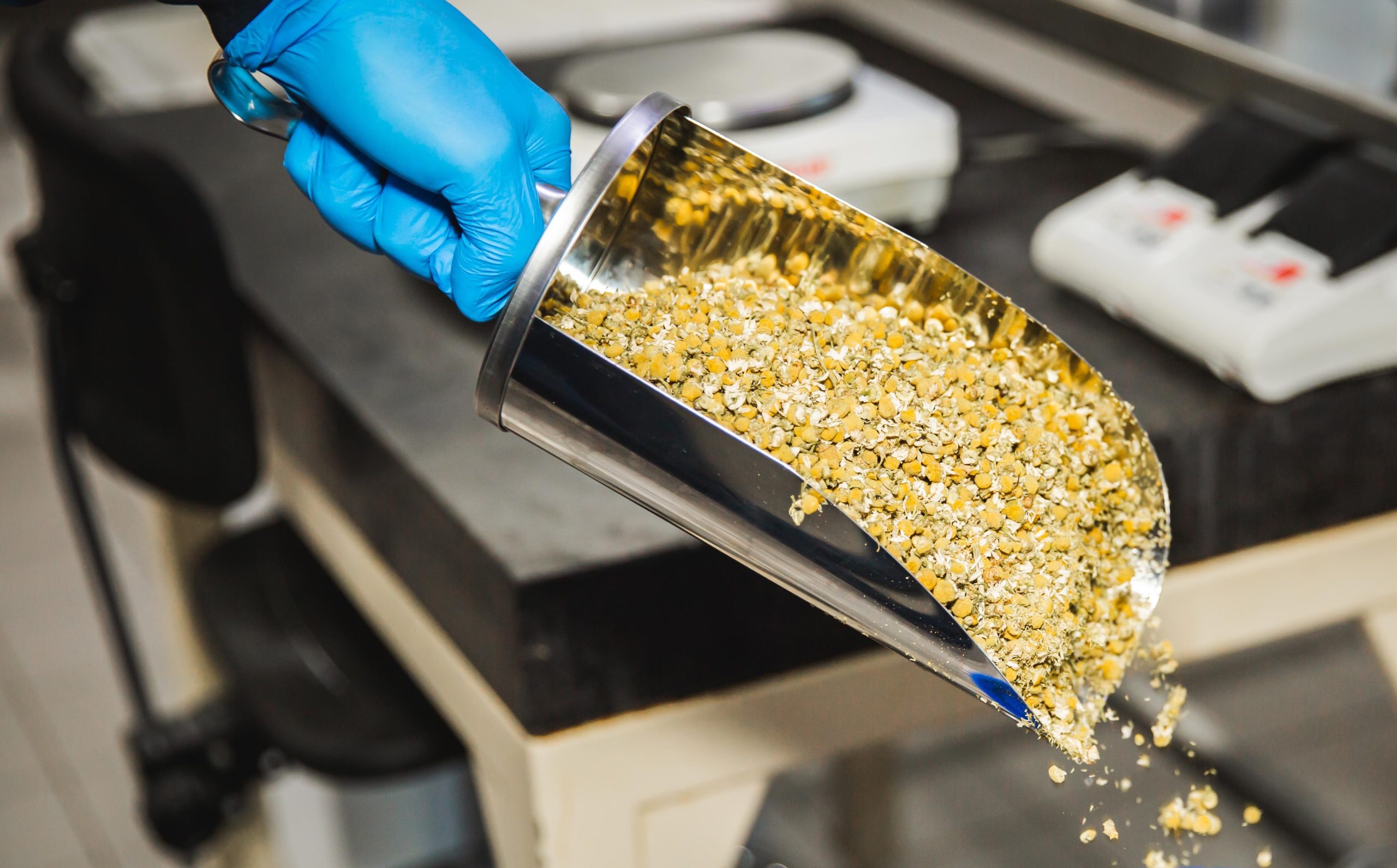
There are also plants and herbs that can help support the immune system. Take Echinacea, for example: this plant helps with viral infections affecting the respiratory tract. Or Astragalus root: this helps to strengthen the immune system, improves the function of white blood cells and thus helps with viral and bacterial infections. Chamomile: helps with inflammation, cramps, and stomach and bowel disorders, as well as restlessness and stress. It is also widely used as a steam treatment.
Ginger root: is often used to provide relief from conditions associated with nausea.
Turmeric (curcuma root): supports the normal functioning of the immune system and has anti-inflammatory properties.
Immunity is the body’s natural defence system. If your immune system is working properly, your body can effectively fight off germs. You can support your immune system by looking after yourself properly.