Aloe vera has long enjoyed a reputation as a medicinal plant. It was already known in ancient times, when its medicinal and cosmetic properties were utilised. Currently, it serves primarily as a cosmetic raw material, used in medical devices and food products, and may also be an ingredient in medicines.
Aloe – where does it come from?
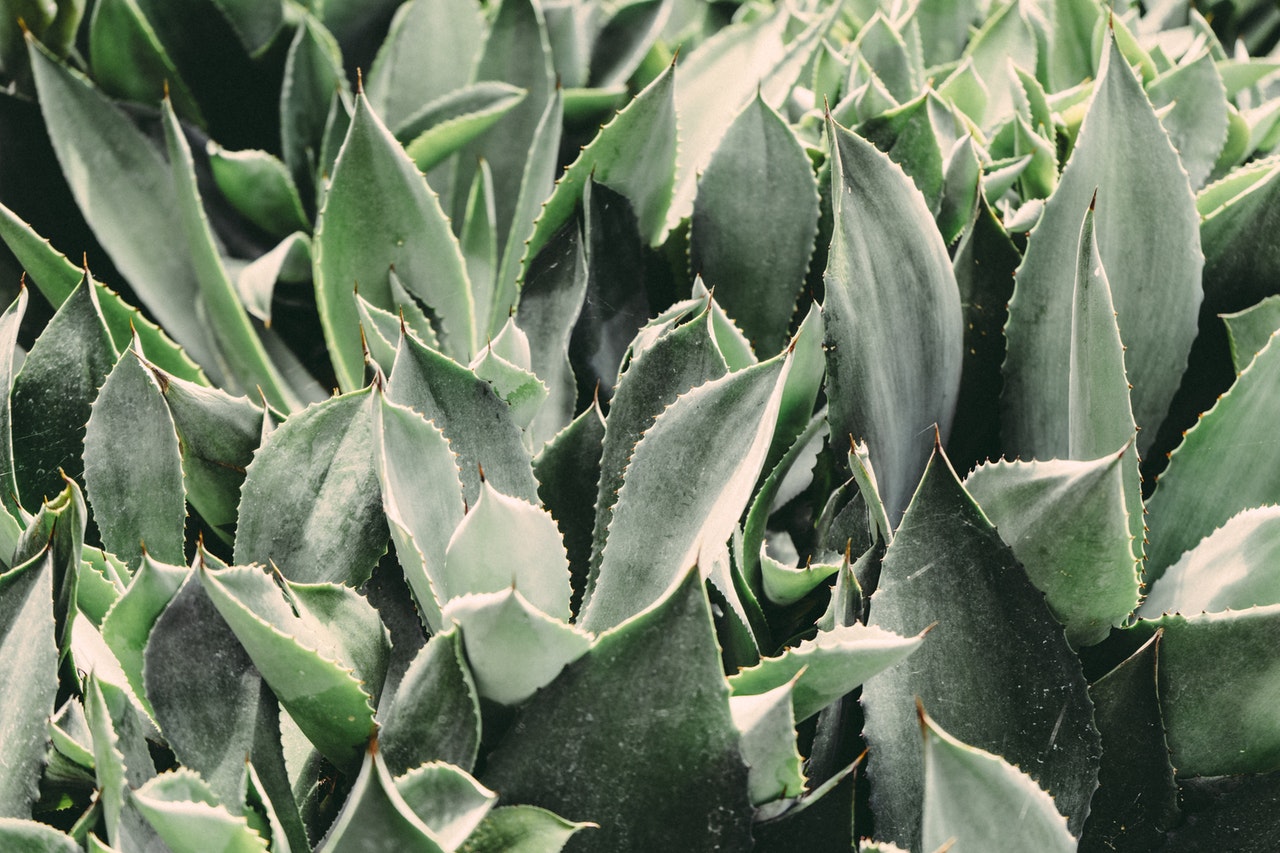
Aloe is a plant belonging to the succulent family. It is usually found in desert and semi-arid regions, as well as in savannahs. However, it has spread throughout the world to regions with similar climatic conditions. To survive in places where access to water is limited, aloe is equipped with water-storing tissue that serves to accumulate moisture.
Nearly 400 species of aloe grow worldwide, but only 20 of them possess healing properties. Two species are used in cosmetics and dermatology: tree aloe (Aloe arborescens Mill.) and aloe (Aloe barbadensis Mill., also known as Aloe vera L.). The properties of aloe have been valued for centuries. It was used to treat burns and various injuries, as it accelerated skin regeneration. It also served as a remedy for stomach complaints and joint pain. Its beneficial effect on the skin was highly regarded. Aloe was also used to embalm the bodies of the dead. Nowadays, aloe is used not only as a food and cosmetic raw material, but also as an ingredient in medicines.
What does aloe contain?
The gel found in aloe leaves is its most valuable component. It consists of 96 per cent water, but also contains a number of other ingredients that make aloe so valuable. Among other things, aloe gel is rich in:
• polysaccharides,
• fats, including fatty acids: arachidonic, caprylic, linoleic, linolenic, palmitic and stearic acids,
• organic acids (citric acid, malic acid, tartaric acid, cinnamic acid) and salicylic acid,
• plant enzymes,
• exogenous and endogenous amino acids,
• beta-carotene, vitamins B and C,
• mineral salts including calcium, zinc, phosphorus, iron, potassium and manganese,
• biotin,
• folic acid,
• antioxidanten inclusief polyfenolen.
Healing properties of aloe vera
Aloe vera has been used for centuries to help with many conditions. Even today, it can help to alleviate certain health problems. Concentrated or dried aloe vera gel is usually used.
Aloe – external use
The thick gel contained within the plant’s leaves soothes various skin conditions and is therefore applied by local people in Africa, where it grows naturally, to sunburnt skin or insect bites. Aloe extract also has skin-nourishing properties – it is said to have been prized by Cleopatra herself, who added it to her bath.
Nowadays, with aloe vera at home, we can also benefit from it. The gel or juice from the leaves can be used externally, including in the following situations:
• for burns (not just sunburn),
• on wounds, grazes and cuts,
• for various skin conditions such as acne, eczema and psoriasis•
after an insect bite,
• for skin irritated by hair removal,
• for inflammation in the mouth, as well as irritation and mouth ulcers.
Aloe – Internal use
Consuming aloe juice primarily helps to relieve various gastrointestinal complaints, including:
• Indigestion, catarrh and stomach ulcers,
• For hyperacidity (the plant can neutralise acids in the stomach),
• To reduce appetite•
To speed up the metabolism and for detoxification,
• For liver problems (Aloe has choleretic and cholagogic effects).
Regularly drinking a beverage made from this succulent plant helps to detoxify the body and strengthens the immune system. For this reason, it is worth drinking aloe vera, for example in autumn or spring, particularly as it can help relieve rhinitis caused by a cold or even an allergy. The positive effect of this plant on lowering blood cholesterol (mainly ‘bad’ LDL) and even its ability to regulate blood pressure is also well known.
Aloe extract has primarily moisturising, soothing, firming and antibacterial properties. For this reason, it is an ingredient in many cosmetics – not only for skincare, but also for hair care. It is worth noting that it benefits the hair in many ways: not only does it prevent it from drying out, but it also helps prevent hair loss by nourishing the scalp and improving blood circulation.
Risks
: The skin of the aloe leaf contains anthraquinones. These are responsible for most side effects. At Dusart Pharma, we use aloe made purely from the gel and therefore it does not have the undesirable properties of anthraquinones.
DuSart Pharma and Aloe Vera
Aloe is widely used. We incorporate it into many internal-use products, both in capsules and in drinks. Furthermore, thanks to its beneficial properties for the skin, it is also a valuable addition to creams. We have access to a highly concentrated powder, purified to remove anthraquinones, which enables us to use Aloe in an effective dosage.