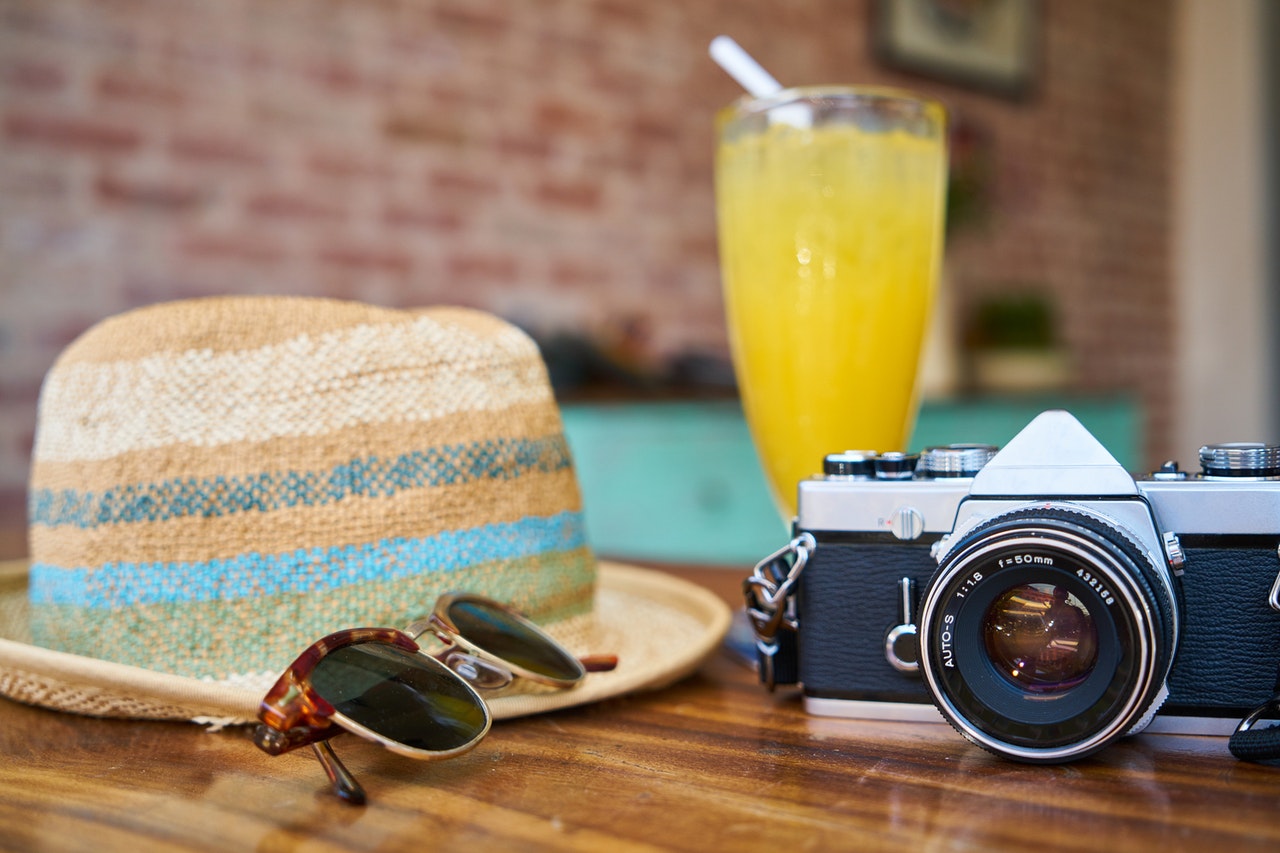
With the holiday season upon us once again and international travel finally permitted, holiday preparations are in full swing. Staying in another country often means different food, different water, different time zones and a different climate. All these changes place a heavy strain on our bodies and can even lead to health problems. This particularly affects the digestive system. Food poisoning and traveller’s diarrhoea are common ailments that frequently occur whilst on holiday. And that’s no fun for anyone.
What can we do to protect ourselves from this holiday nightmare?
It’s important to pay close attention to the freshness of food: don’t buy food from stalls or restaurants that look unhygienic or where the food isn’t properly chilled, and make sure to smell and taste the food carefully before eating it. It is also well known that drinking tap water is not advisable in many countries. To be on the safe side, always opt for bottles of mineral water with a sealed cap. Also, be wary of ‘post-mix’ soft drinks, which are often simply mixed with tap water.
Unfortunately, however, in many cases, harmful bacteria will not be easily detectable in food and drink. Furthermore, digestive problems such as constipation can also be caused by non-bacterial factors. Is there anything else we can do to slightly boost our general resistance to these microorganisms and digestive problems?
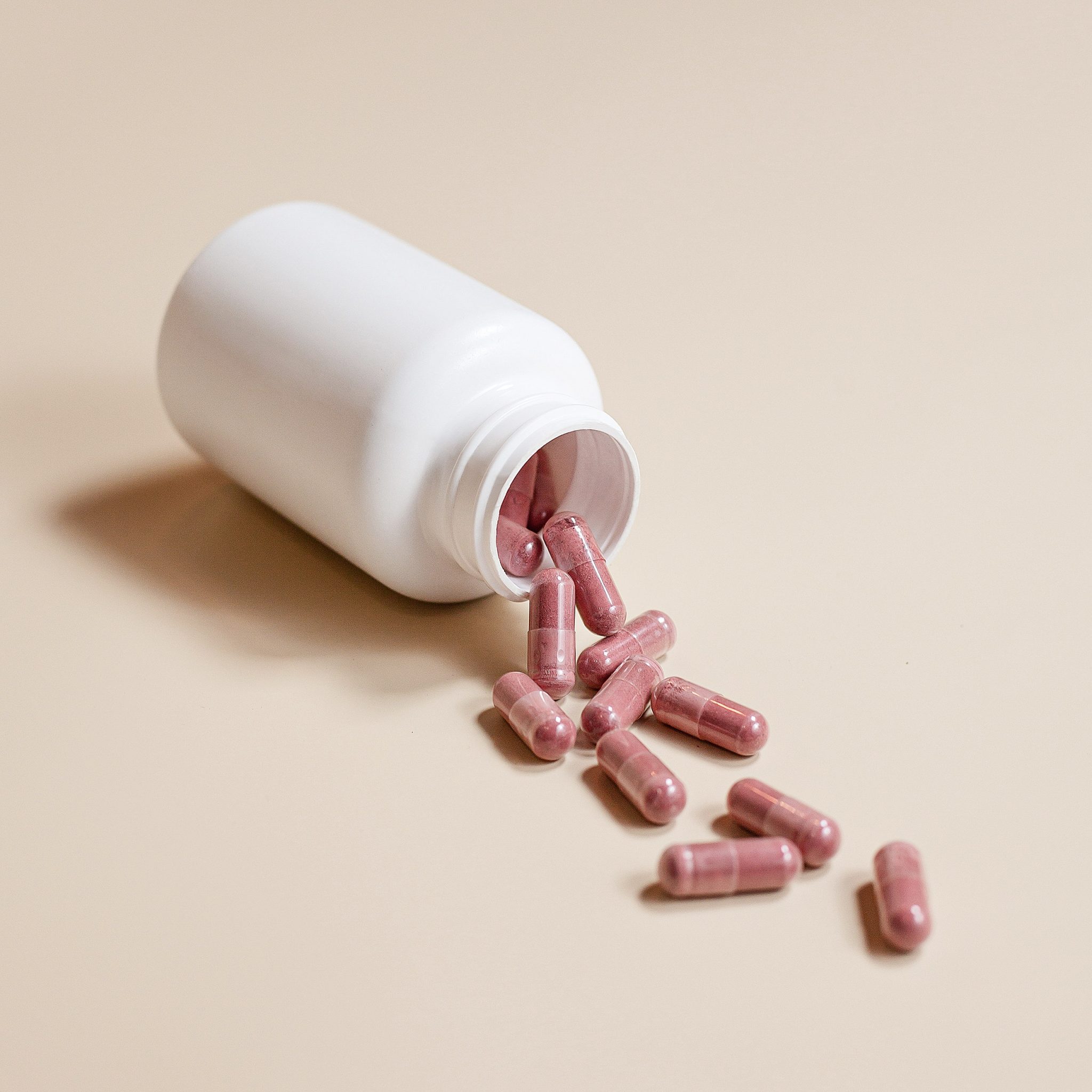
Yes! Probiotics can help ward off these unpleasant digestive problems and can therefore be a lifesaver whilst travelling. Probiotics are beneficial bacteria, most of which occur naturally in our gut. Probiotics are usually a mix of different bacteria, of which Lactobacillus and Bifidobacterium are the most popular. By interacting with the body’s immune cells, probiotics help to keep the gut healthy. Taking probiotics can help build a strong immune system and ensure the digestive system functions smoothly. Probiotics form a protective barrier over the mucous membranes of the intestinal tract and protect against the entry of pathogenic bacteria into the body via food or water. Numerous studies have shown that probiotics are effective against fungal infections, food poisoning and diarrhoea (particularly traveller’s diarrhoea).
So when should you start taking probiotics, and which form should you choose?
You should start taking probiotics at least two weeks before your planned trip. This allows the number of beneficial bacteria in the gut to build up and a strong bacterial flora to develop. However, it is important to continue taking the probiotics whilst travelling. It is also best to carry on taking them for at least two weeks after your trip. For travel, probiotics with a CFU of 30 billion are generally recommended. This means that the probiotic supplement contains at least 30 billion live bacterial colonies per daily dose. It is best to choose a probiotic supplement consisting of a mix of various Lactobacillus and Bifidobacterium strains.