In our previous newsletter, we discussed maceration, a process whereby herbs are steeped in an oil or alcohol solution, allowing the active compounds naturally present in the herbs to be gradually and controlledly absorbed into the solvent. We can, for example, process the remaining liquid into a herbal tincture or use it as an ingredient in another liquid product to infuse it with a touch of nature’s power.
There are two types of herbal tinctures: simplex and complex, but what exactly do these terms mean and what can you use them for? We’ll explain.
Simplex
In a simplex tincture, we macerate a single herb to create a potent, single-herb supplement. This can be useful if you want to focus on the specific properties and benefits of that one herb. For example, ginger can be isolated and used as a herbal simplex to aid digestion.
Complex
Complex herbal preparations contain a blend of different herbs. There may be as few as two, or as many as nine or ten. These herbs work together as a team, with their properties reinforcing one another (this is known as a synergistic effect). It is like a flavourful dance of herbs, where the combination offers a wider range of benefits. For example, a herbal complex for the immune system might combine herbs such as echinacea, plantain, Siberian ginseng and astragalus to strengthen the immune system.
Applications
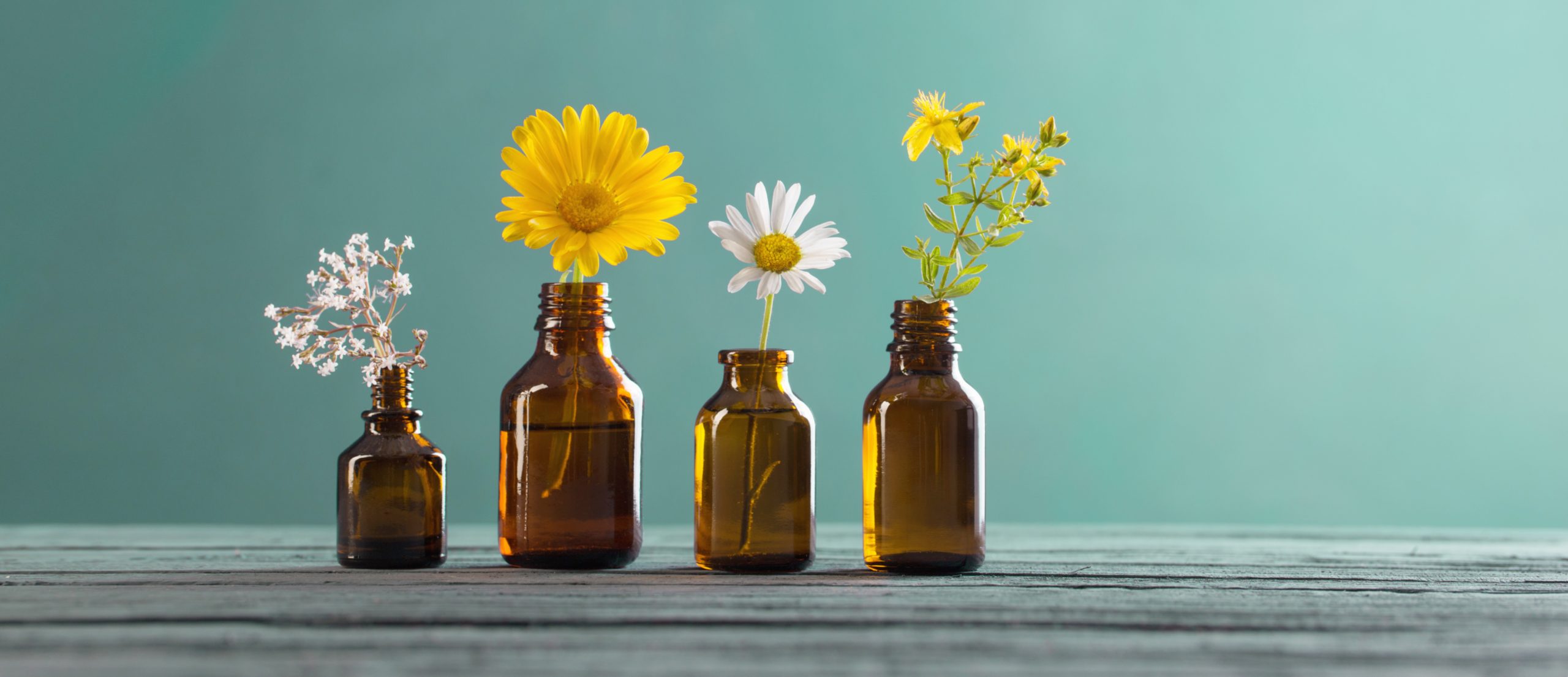
The applications of both herbal simplexes and herbal complexes can vary, depending on the specific herbs used. A tincture is usually contained in a dropper bottle, making it easy to dose, for example by placing a few drops under the tongue or adding it to a liquid. It is also used in cosmetics. Common applications include:
• Digestion
Herbal supplements can be used to aid digestion, such as ginger for stomach complaints or peppermint for bloating.
• Sleep and relaxation
Herbs such as valerian, chamomile and lavender are known to promote relaxation and support a good night’s sleep.
• Immune system
Herbs such as echinacea, plantain, Siberian ginseng and astragalus help to strengthen the immune system and support the body’s defences against illness.
• Stress reduction
Herbs such as ashwagandha and rhodiola can be used to reduce stress and improve the body’s overall resilience.
Whether you opt for simplex or complex, let us know what your specific product requirements are and we’ll be happy to help!