Written by Patricia Pellis
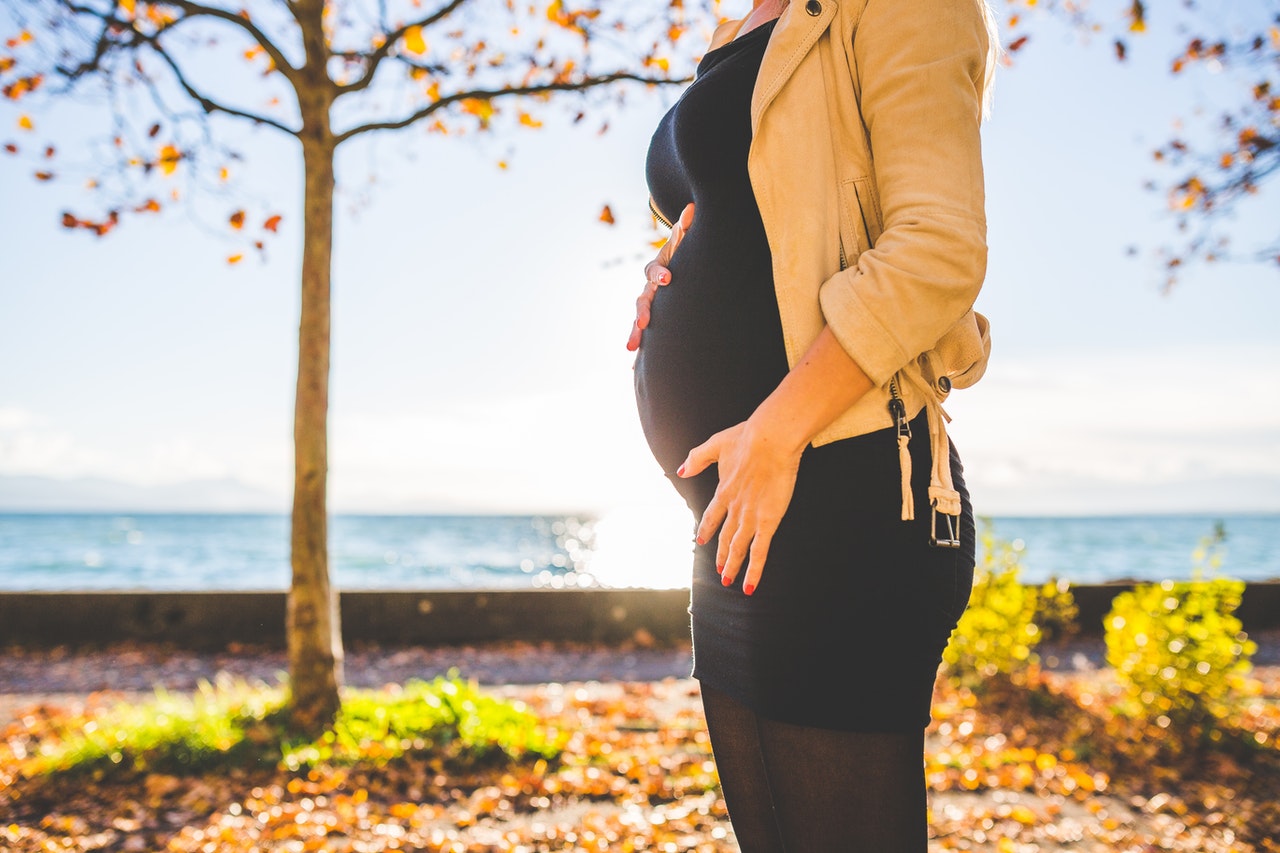
Now that I’m over eight months pregnant, I’m trying to pay even more attention to my diet than I normally did. Soon after I started working at DuSart Pharma, I realised that we no longer get all the necessary vitamins and minerals from our diet, and that we can meet those daily requirements through supplementation. On the recommendation of an acquaintance, I’ve also started listening to podcasts by Nina Pierson, an entrepreneur and writer. She produces these podcasts to complement her book *Mama’en*, in which she takes her readers through all aspects of becoming a mother – which, in her view (and I think she speaks for all mothers), is a verb.
Podcasts featuring guest speakers such as Tessa Rosenboom (Professor of Early Development and Health at the University of Amsterdam and author of the book *The First 1,000 Days*) and Sharon Asscher (owner of *Nutrition Makes You Better*) inspired me so much that I resolved to pay even more attention to my diet during my pregnancy. After all, a plant’s seed will grow better in healthy, nourishing soil than in dry earth!
What’s allowed, and what isn’t?
There’s plenty of information out there about what you shouldn’t eat during pregnancy. There’s even a handy app for it. But what about supplements? What am I actually allowed to take during my pregnancy? Apart from folic acid and an extra 10mg of vitamin D, for example, I haven’t been given any other advice by my midwife or GP, even though there are other options available.
For example…
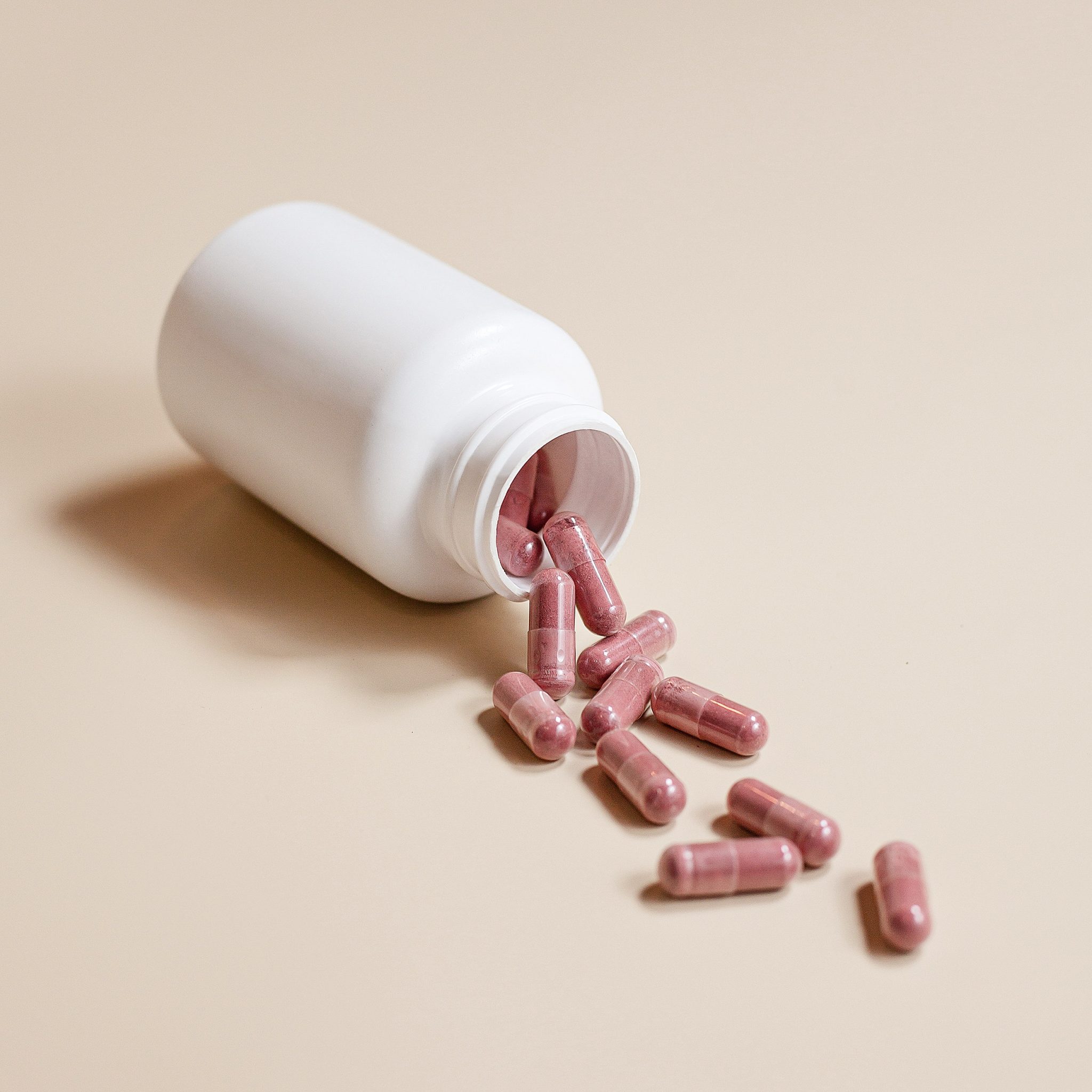
Omega-3 and omega-6 fatty acids and probiotics (bifidobacteria, lactobacilli) can be a good supplement in the final weeks of pregnancy. Iron and vitamin B12 are also recommended (preferably in lozenge form for better absorption, and methylcobalamin rather than cyanocobalamin). And magnesium can help with conditions such as restless legs.
There are therefore plenty of options when it comes to supplements that can be beneficial during pregnancy. What has really fascinated me personally is probiotics. During my first pregnancy (in 2010), I wasn’t aware of the potential effects of probiotics on my gut and on my baby’s. As a result, my first child suffered terribly from colic. During this pregnancy, I discovered that research has been carried out on this and that taking certain probiotics at the right time can have a positive effect on my baby’s gut function, thereby reducing the likelihood of colic.
Mum’s supplement range
: How you manage your diet during pregnancy will be different for everyone. Some women go by their instincts, others focus on the ‘five food groups’, whilst others get lost in all the available information. I’m lucky enough to work at DuSart and have an inexhaustible source of information at my disposal in my colleagues. And even if they don’t know the answer, they can at least point me in the right direction. For some time now, there’s even been a special Mom supplements range available, featuring responsible supplements for both during and after pregnancy. How lovely?! And, above all, very important!
All in all, I can say that I’ve taken all the information on board and tried a bit of everything, whilst paying close attention to the risks, of course. I would advise everyone to do the same beforehand; every body is different. I have looked closely at what is not recommended to eat during pregnancy and have tried to be mindful of my diet and supplementation, which means that, after more than eight months, I can say that I am glad that a great deal of research is being carried out into creating a healthy environment for the foetus and the overall wellbeing of the pregnant woman.