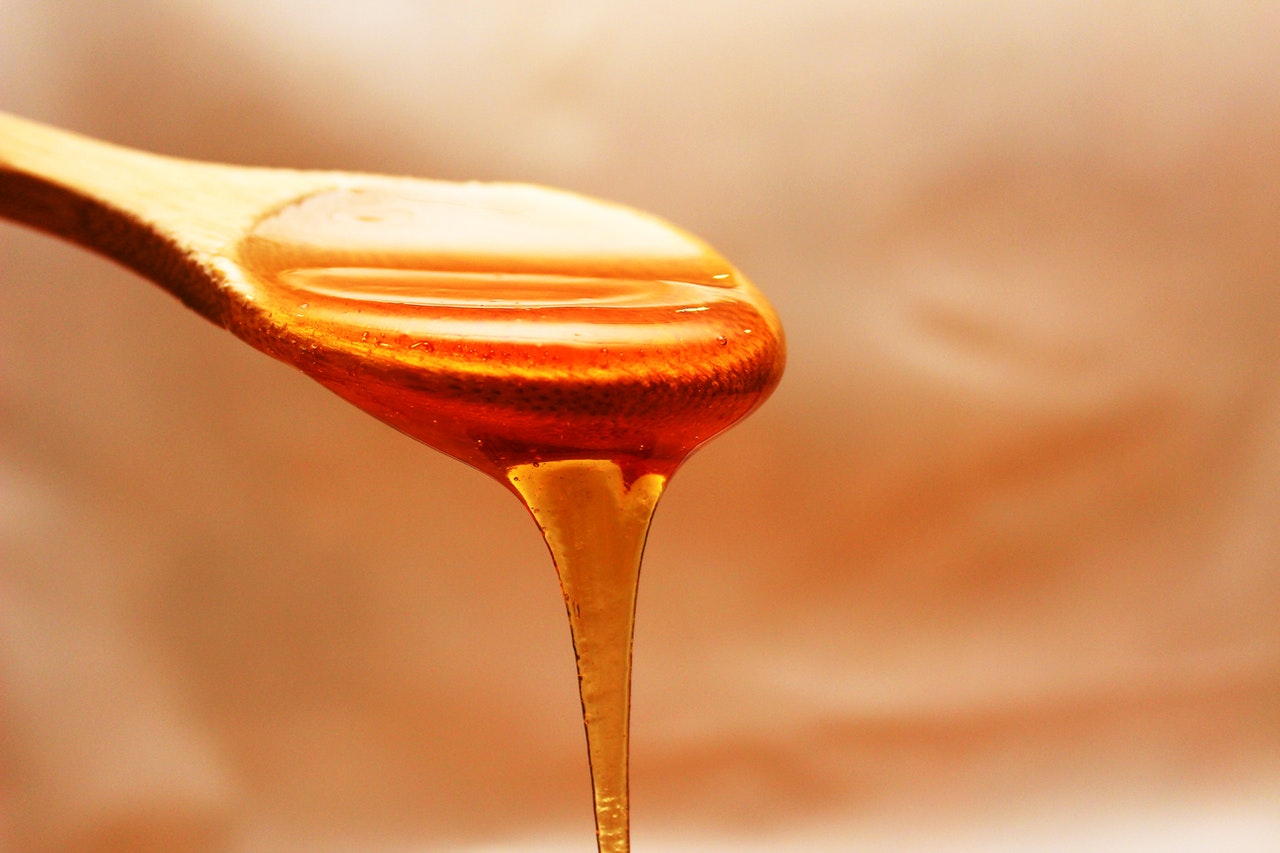
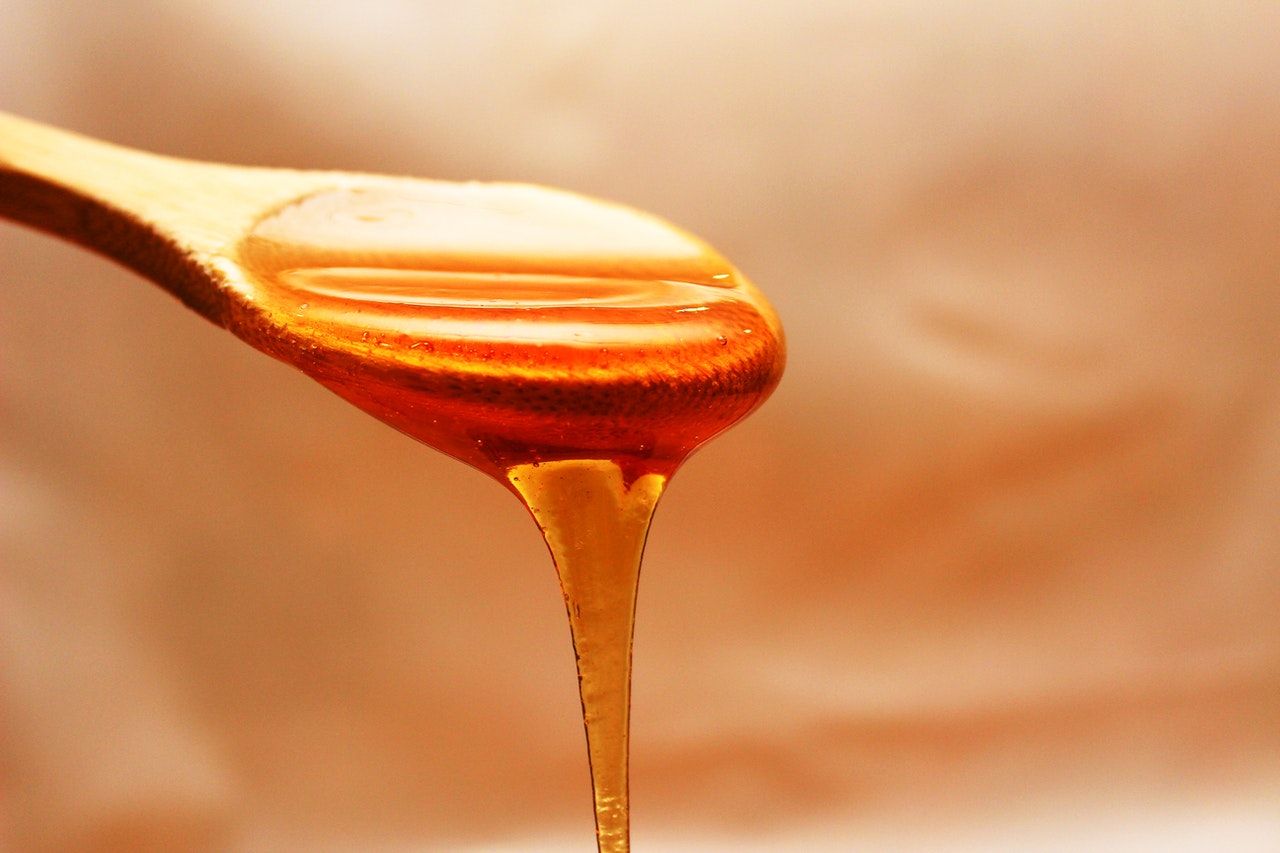
Honey has been known to humankind since the dawn of civilisation. The earliest references to it date back to antiquity. In Greece, honey was regarded as the food of the gods, and in Egypt it held ritual significance. Its healing properties were already appreciated back then. Honey, as it is known, is one of the oldest medicines and is used successfully in modern medicine.
Cosmetic miracle
honey: Honey has been prized for its properties since ancient times. In ancient Egypt, it was used as a cosmetic, an aphrodisiac and a balm. It is likely that Cleopatra’s extraordinary beauty was the result of frequent baths in donkey’s milk mixed with honey. Poppea, the wife of Emperor Nero, used a mixture of milk and honey as a paste to keep her face beautiful and youthful.
Recent scientific research confirms honey’s powerful antibacterial properties. Honey inhibits the growth of bacteria, fungi and viruses. Honey helps to moisturise the skin and keep it hydrated. It is therefore a natural ingredient in all types of cosmetics, including those for sensitive skin and for children. Used as a hair mask, it helps to combat split ends.
Hippocrates, who is regarded as the father of medicine, attributed his long life to honey products. Pythagoras, too, lived to a ripe old age thanks to his fondness for this drink. Although modern research has not confirmed the effect of honey on longevity, not all substances originating from the beehive have yet been fully analysed and studied.
Where do honey’s health benefits come from?
Its beneficial components enter our bloodstream directly, bypassing the digestive process.
No fewer than 21 elements have been found in honey that are beneficial to the human body, such as: calcium, iron, magnesium, phosphorus, potassium and manganese.
Bee honey also has medicinal properties, thanks to the presence of special enzymes added by the bees during production.