
Titanium dioxide has been used in food since the 1960s. The food additive E 171 is used as a white colouring agent. It is also known as titanium dioxide. E 171 is found in various foods, such as chewing gum, liquorice or chocolate with a coloured coating, ice cream and decorations. Titanium dioxide is insoluble and consists partly of nanoparticles.
It has been known for the past 10 years that these nanoparticles are present in titanium dioxide. A great deal of research has been carried out into this in recent years. It appears that titanium dioxide particles in E 171 can have different properties. In addition to differences in size, there are also differences in crystal forms and in the possible presence of a coating on the titanium dioxide particles. The differences in size, crystal form and surface properties mean that the nanoparticles can cause different effects in the body compared to larger particles. This makes it difficult to assess the risks associated with titanium dioxide.
Safety of titanium dioxide called into question
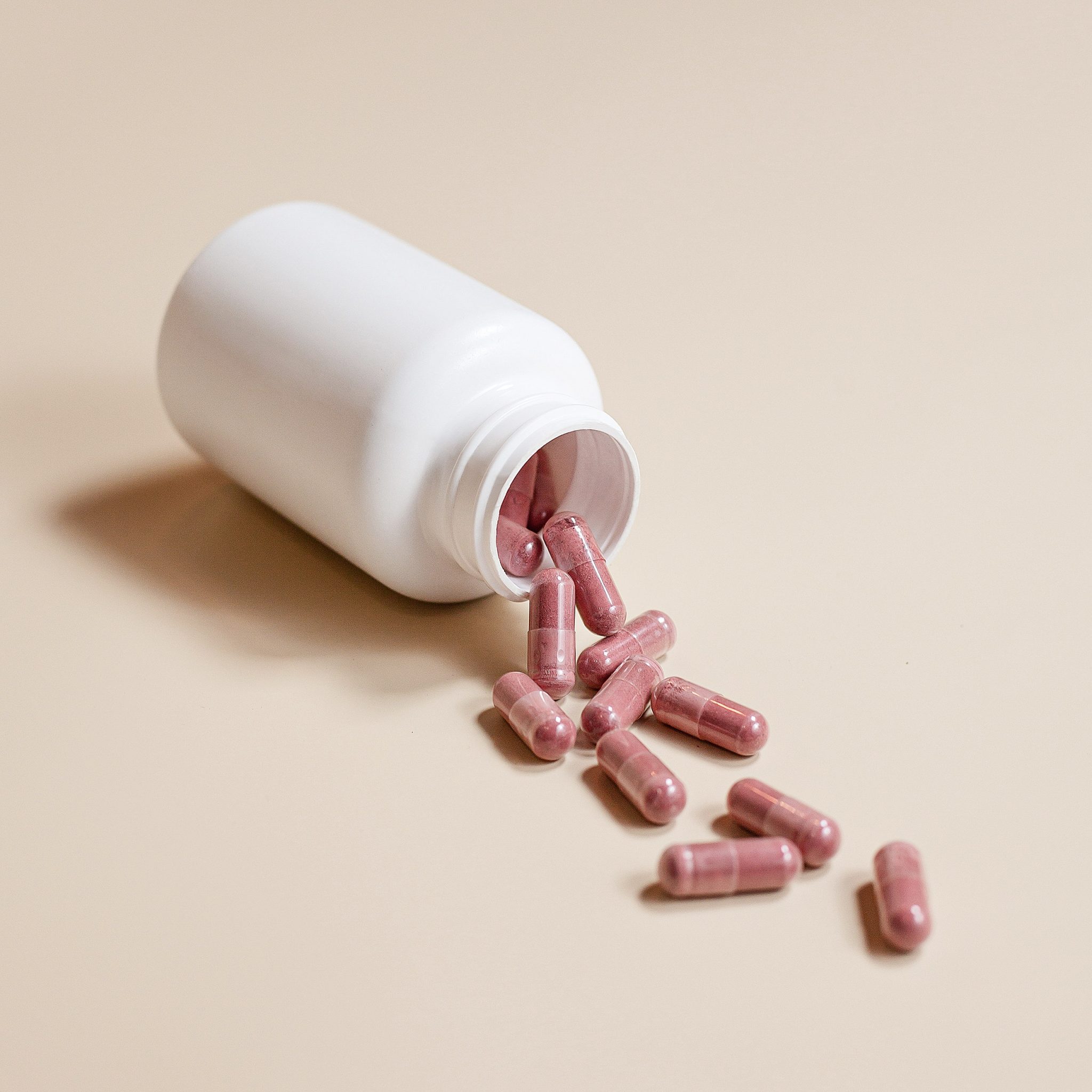
In our industry, titanium dioxide is found in the opaque colouring agent that makes a capsule and a tablet coating non-transparent. As this colouring agent has an E number (E-171), it has been approved for use by the EFSA (European Food Safety Authority). Nevertheless, the safety of titanium dioxide has been the subject of debate for several years now, and its safety has been called into question. The EFSA reviewed the safety of this substance again in 2016 and 2018 and concluded on both occasions that it is safe for use. In 2019, the French ANSES (Agency for Food, Environmental and Occupational Health & Safety) published an opinion on the risks associated with exposure to titanium dioxide, taking into account the most recent scientific studies available. As a result, the use of this substance has been banned in France with effect from 1 January 2020. The EFSA has, on the basis of new relevant data, re-examined the safety of titanium dioxide. The available evidence could not allay concerns regarding the genotoxicity of the nanoparticles in the substance and, given the many uncertainties of recent years, the EFSA concludes that titanium dioxide can no longer be considered safe. It is expected that the European Commission will adopt EFSA’s advice and that titanium dioxide will be removed from the list of authorised food additives. Whether, how and when this will happen is not yet known.
Why isn’t titanium dioxide (E 171) banned straight away?
· EFSA has not identified any acute effects associated with the ingestion of E 171 that would justify an immediate ban.
· EFSA does not conclude that E 171 is genotoxic, but was unable to determine the maximum daily intake. This is due to the uncertainties surrounding its genotoxicity. EFSA has therefore concluded that it is not certain that the food additive is safe.
· If the food additive is banned, manufacturers will need time to phase out E 171 and replace it where necessary.
At present, the use of titanium dioxide is still permitted in the Netherlands. We expect that a ban on titanium dioxide will be introduced following a phase-out period. It is not yet certain how long this phase will last or by when manufacturers will have to find alternatives. The fact remains that many sectors use titanium dioxide and will need time to phase it out or find alternatives.
DuSart Pharma
At DuSart Pharma, we are currently working hard with our capsule and coating suppliers to find alternatives. We recognise that there are challenges here, but we are working hard to respond to the situation as quickly as possible. Naturally, we will keep our customers informed of the options available and provide them with alternatives.