
Research carried out by Motivaction shows that almost half of the Dutch population uses dietary supplements to complement their regular diet. The main reasons for this are to prevent any future health problems and to supplement daily nutrition in order to ensure an adequate intake of nutrients. The fact that we are becoming increasingly adept at finding dietary supplements fits with the picture that, more than ever, we are striving for a healthy lifestyle in order to live as healthily and as long as possible. We live in an age where it’s all about being #healthy and #fit, and this means we are becoming increasingly conscious of what we put into our bodies.

Dietary supplements: a valuable addition
Why take dietary supplements if I already eat healthily?
Vitamins and minerals are essential for the body to function optimally. Deficiencies can disrupt many processes or cause them to function less effectively, which in turn affects overall health.
Research shows that there are increasingly fewer vitamins and minerals in our vegetables. The depletion of agricultural soils and the processing of the food itself lead to a lack of vitamins and minerals in our vegetables. This results in a deficiency of nutrients in our bodies. If you work out how much you would need to eat every day to actually get enough of everything, it’s almost an impossible task. Supplements offer a solution because they allow you to take an effective and complete dose of each nutrient.
Alongside the increased demand for vitamins and minerals, there is a growing demand for natural products. Many herbs traditionally used to treat specific ailments are incorporated into dietary supplements. These are often nutrients that do not occur naturally in a Western diet.
“A healthy lifestyle, combined with supplementation, ensures a well-functioning immune system and makes us more resilient to viruses and infections.”
When can a supplement be of help?
We have listed a number of examples below:
- Valerian or melatonin can help with poor sleep, for example if you find it difficult to fall asleep or stay asleep
- Probiotics can support the gut flora in cases of digestive complaints;
- It is important for pregnant women to take extra folic acid at the start of pregnancy, as this contributes to tissue growth and the development of the baby’s central nervous system;
- Fish oil, amino acids and proteins can help you improve your sporting performance, concentration and muscle building.
Which supplements are commonly used?
To avoid deficiencies, there is an increased need for micronutrients (nutrients) and/or antioxidants. Vitamin C, for example, can make us more resilient to stress, or consider the increased need for vitamin D, as your body struggles to produce it naturally during the winter. And what about magnesium: the ‘relaxer’ amongst minerals. Whether through sport or stress, this is an essential mineral for keeping the body’s processes running smoothly.
In short: we are becoming increasingly adept at finding the right dietary supplements, and with good reason: a healthy lifestyle combined with supplements ensures a well-functioning immune system and makes us more resilient to viruses and other external factors such as stress, bacteria or toxic substances in pesticides on food.
Just one more thing…
Supplements are therefore intended to complement your daily diet. They should not, therefore, be used as a substitute for food. In certain circumstances – such as during pregnancy, when exercising, or simply as we get older – the body requires additional nutrients, and it makes sense to increase your intake through a supplement.
Would you like to find out more? Our trade association, NPN, has set up an online information centre that provides in-depth information on dietary supplements and health. Here you will find a wealth of additional information about supplements in general, as well as information tailored to specific target groups or health concerns.
For more information, visit ivg-info.nl.
Related posts

Articles Newsletter, Dietary Supplements
8 September 2023
Keratin: the building block of hair
As autumn sets in, many of us are plagued by hair loss. It is not just seasonal changes that are to blame;…
Read more

Articles Newsletter
20 August 2026
Buffered vitamin C and acerola
It remains a real seasonal favourite whenever the month contains the letter R: vitamin C. This water-soluble vitamin is…
Read more
Articles, Newsletter, Plant of the Month
12 June 2026
Plant of the month: Acerola (Malpighia emarginata)
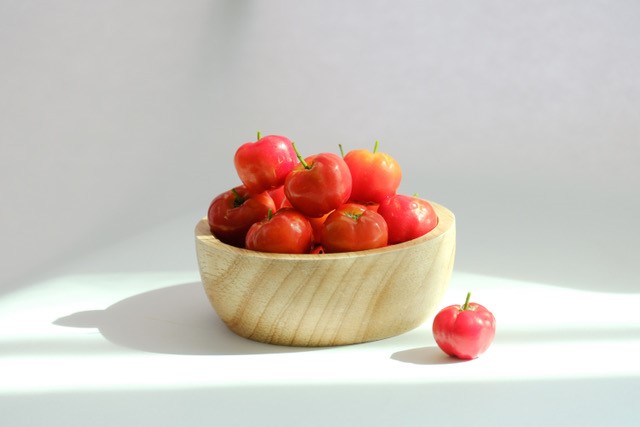
Acerola cherries (Malpighia emarginata) are small, red fruits that are a veritable treasure trove of nutrients, particularly vitamin C. …
Read more